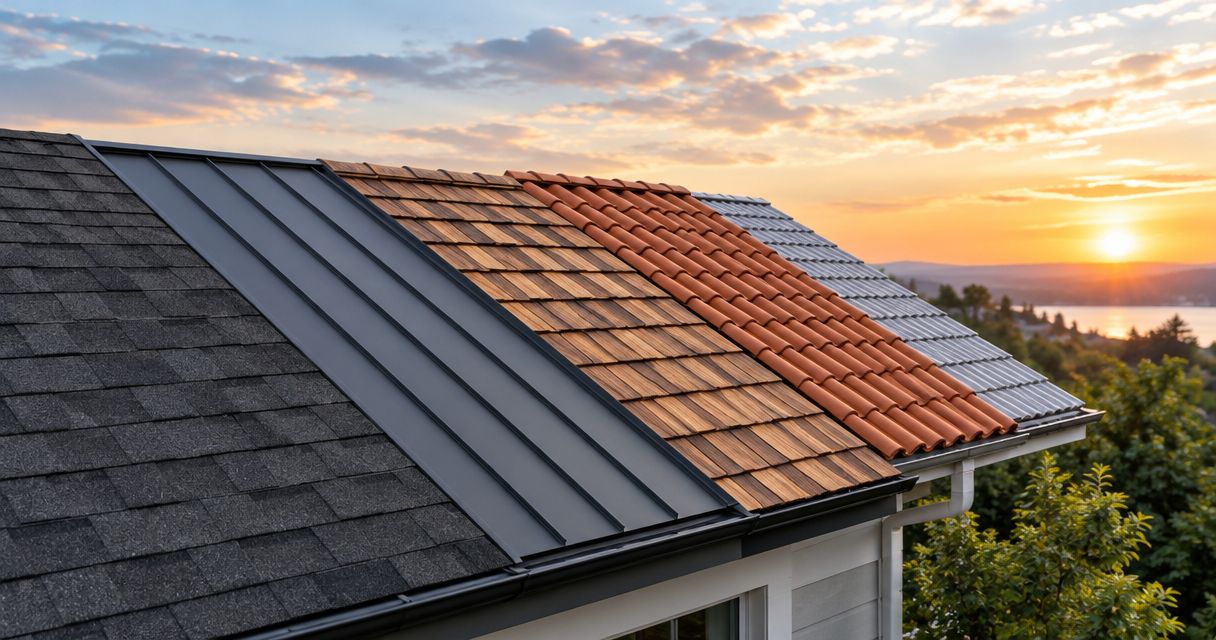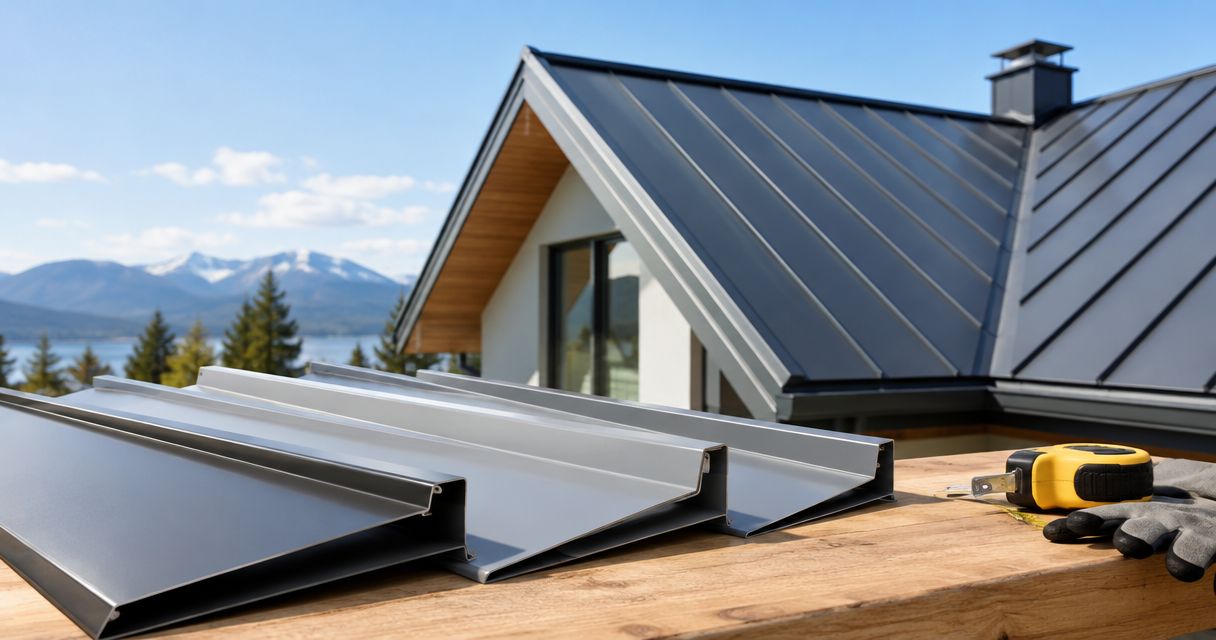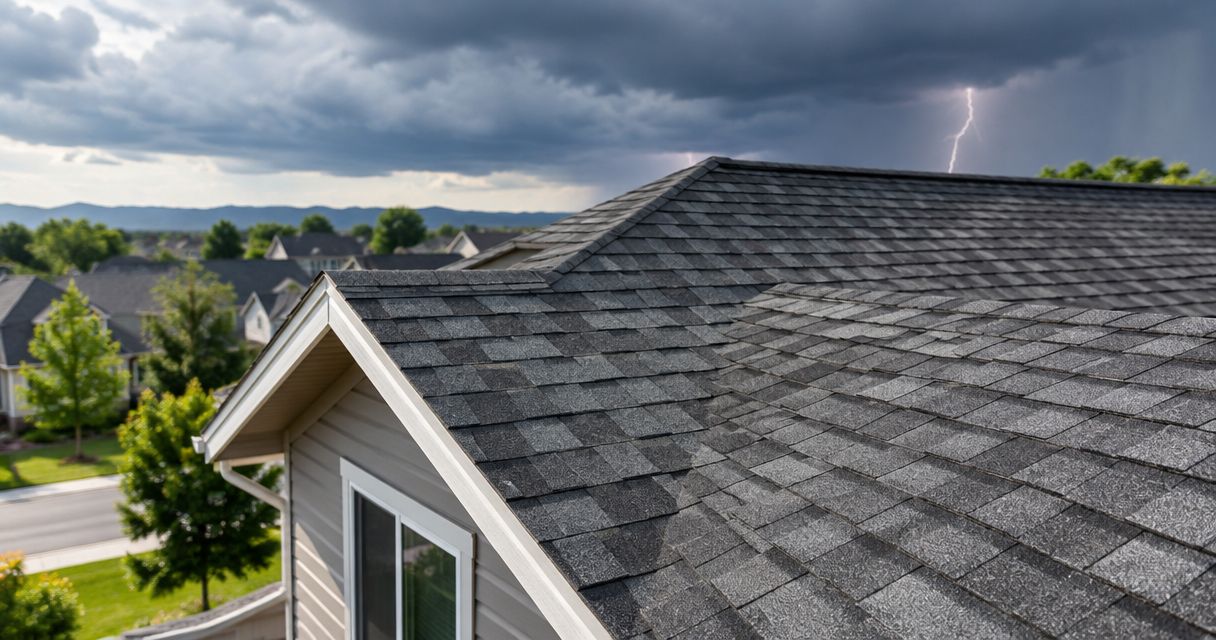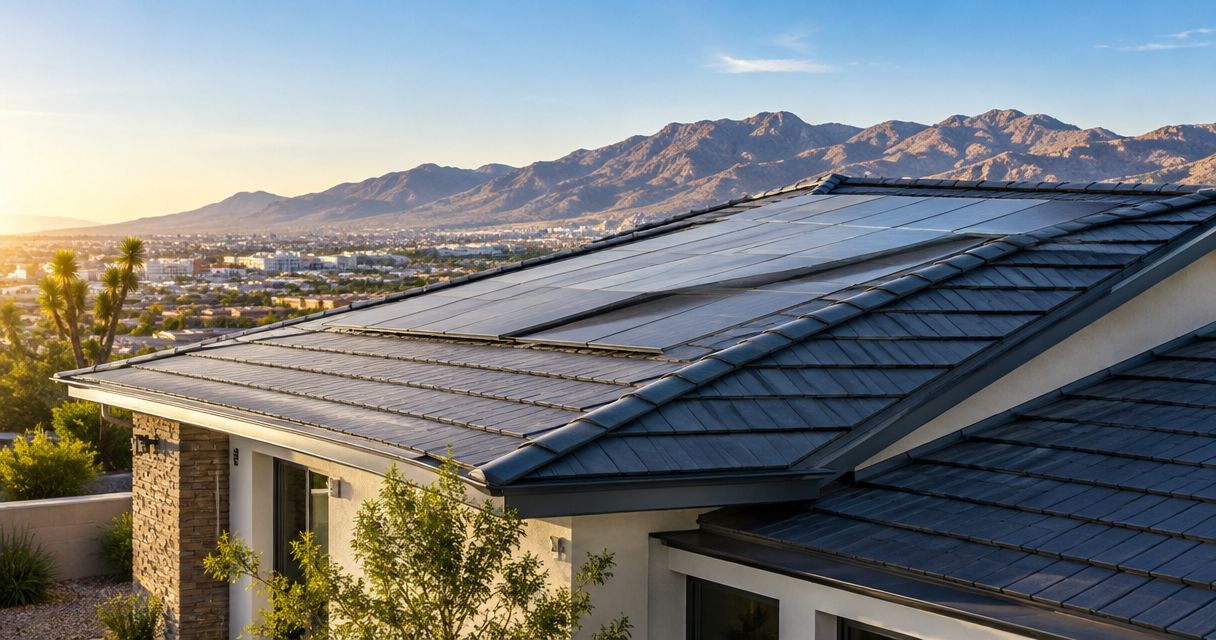
Best overall for a pitched-roof replacement: reflective standing seam metal. Best for a low-slope replacement: white TPO. Best for restoring a suitable existing roof: reflective silicone coating. The best energy-efficient roof in El Paso depends on roof slope, surface reflectance, insulation, and roof condition—not the material name alone. Sunnyboy Roofing installs metal, shingle, and TPO roofing and applies silicone and acrylic coatings for residential and commercial property owners.
- Best energy efficient roof El Paso: choose reflective standing seam metal for a suitable pitched-roof replacement.
- White TPO is the low-slope replacement pick; compare membrane reflectance and the insulation assembly.
- Silicone roof coating suits restoration only when the existing roof is sound and compatible.
- Sunnyboy Roofing serves El Paso property owners comparing metal roofing, shingles, TPO, and reflective roof coatings.
Why this matters
An energy-efficient roof limits solar heat entering the building. Reflective surfaces address sunlight at the exterior; insulation slows heat transfer through the roof assembly. Neither fixes wet insulation, failed flashing, or a leaking deck.
For your 2026 roof decision, separate those jobs. A white membrane over inadequate insulation is not the same assembly as a white membrane over properly specified insulation, even when both look identical from the street.
The U.S. Department of Energy's Energy Saver guidance explains that cool roofs can stay more than 50°F cooler than conventional roofs under the same conditions. That is a roof-surface comparison, not a promised reduction in indoor temperature or electricity use.
Choose the roof assembly first, then verify the reflective surface. A contractor proposal should explain both rather than treating a light color as the entire energy-efficiency specification.
What makes the best energy-efficient roof?
Use these criteria before comparing the six options:
- Solar reflectance: How much incoming sunlight the surface reflects. Compare published ratings for the exact finish, membrane, or coating—not just the material family.
- Thermal emittance: How readily the surface releases absorbed heat. Reflectance and emittance describe different properties; request both.
- Aged performance: Compare weathered ratings as well as initial ratings. A new surface's appearance does not establish its long-term thermal performance.
- Roof compatibility: Check slope, drainage, substrate condition, and attachment requirements. An efficient material installed outside its intended application is the wrong choice.
- Insulation continuity: Include insulation, roof penetrations, and relevant attic conditions in the scope. The exterior covering is only part of the thermal assembly.
- Maintenance requirements: Understand seam inspections, fastener checks, surface cleaning, and coating renewal requirements before selecting a system.
For 2026 bids, ask each contractor to identify the exact proposed roofing product and finish. A proposal that says only metal roof, white roof, or cool coating leaves the important comparison unfinished.
Energy-efficient roof types at a glance
The order below reflects application fit, not measured energy savings. Each option solves a different roof problem.
| Roof type | Best for | Standout feature | Key limitation |
|---|---|---|---|
| Reflective standing seam metal | Pitched-roof replacement | Concealed-fastener panel design with a specified reflective finish | Reflective performance depends on the finish, not metal alone |
| White TPO | Low-slope roof replacement | Reflective membrane with heat-welded seams | Drainage, seam quality, and insulation remain essential |
| Reflective silicone coating | Restoring a compatible roof where ponding tolerance matters | Silicone's resistance to standing-water exposure | Cannot repair wet insulation or an unsound roof assembly |
| Reflective acrylic coating | Restoring a compatible roof with positive drainage | Water-based reflective coating | Persistent ponding is a major selection concern |
| Cool-rated asphalt shingles | Shingle-roof replacement | Reflective granules within a familiar roof covering | Ordinary shingles are not automatically cool-rated |
| Reflective R-Panel | Metal projects using exposed-fastener construction | Reflective finish on an exposed-fastener panel system | Fasteners and washers require attention |
1. Reflective standing seam metal: best for pitched-roof replacement
Reflective standing seam metal is the default recommendation when you are replacing a suitable pitched roof and want concealed-fastener construction. Raised seams connect the panels, while the specified finish determines how much solar energy the surface reflects.
Do not accept metal as a thermal specification. Dark metal and reflective metal are different selections, and two similarly colored finishes can have different published ratings.
Standing seam pros:
- Concealed-fastener construction avoids exposed screws across the panel field.
- Reflective finishes let you specify thermal performance separately from panel profile.
- It suits a full-replacement scope that also addresses underlayment and roof details.
Standing seam cons:
- Penetrations, transitions, and seam details need system-specific workmanship.
- A reflective finish does not compensate for missing or damaged insulation.
Best for: Property owners replacing a pitched roof rather than trying to coat an unsuitable existing surface.
Ask for the proposed finish's aged reflectance and emittance, plus the panel system's slope requirements. Sunnyboy Roofing offers standing seam installation; make the thermal specification part of the contractor discussion, not an assumption attached to the material.
Verdict: Buy reflective standing seam for a suitable pitched-roof replacement; skip an unspecified finish.
2. White TPO: best for low-slope roof replacement
White TPO is a thermoplastic roofing membrane used on low-slope roofs. Its reflective surface and heat-welded seams make it a clear option when the project calls for replacing the waterproofing system rather than coating it.
The insulation below the membrane matters. Compare the complete assembly, including substrate preparation, attachment, perimeter details, and drainage—not merely membrane color.
White TPO pros:
- A white surface provides a direct route to a reflective membrane specification.
- Heat-welded seams form part of the waterproofing system.
- Replacement creates an opportunity to address damaged insulation and deficient details.
White TPO cons:
- Welding and penetration workmanship are critical to watertightness.
- A new membrane does not correct inadequate drainage by itself.
Best for: Commercial or residential low-slope roofs that need a new roof covering rather than a restoration layer.
For a 2026 comparison, require the exact membrane, attachment method, and insulation scope in writing. Avoid comparing a membrane-only proposal with a proposal that includes insulation replacement as though they deliver the same work.
Verdict: Buy white TPO for a suitable low-slope replacement; hold until drainage and insulation are specified.
3. Reflective silicone coating: best for compatible roof restoration
A reflective silicone coating forms a protective surface over a compatible existing roof. Silicone is a candidate where standing-water exposure affects coating selection, but drainage defects still deserve correction.
Restoration starts with roof condition. A coating is not a substitute for removing wet insulation, repairing failed details, or replacing an unsound substrate.
Silicone coating pros:
- Adds a reflective surface without necessarily replacing the existing roof covering.
- Silicone formulations offer resistance to standing-water exposure.
- Restoration can focus on a serviceable roof that needs surface and detail work.
Silicone coating cons:
- Adhesion depends on compatibility, preparation, and any required primer.
- Dirt accumulation can reduce reflectance, and recoating requires compatible materials.
Best for: Owners with a sound, compatible existing roof who need restoration rather than replacement.
Ask for the roof assessment, moisture findings, preparation method, and the proposed coating's application requirements. Treat persistent ponding as a roof-system question, not permission to ignore drains or slope.
Verdict: Buy silicone restoration only after the existing assembly qualifies; skip coating over unresolved moisture damage.
4. Reflective acrylic coating: best for restoration with positive drainage
Reflective acrylic coatings are water-based roof coatings used on compatible substrates. They belong on the shortlist when the existing roof remains serviceable and drains properly.
Acrylic and silicone are not interchangeable specifications. Choose the chemistry around roof conditions, then compare the exact manufacturer's preparation, application, and maintenance requirements.
Acrylic coating pros:
- Provides a reflective surface on an eligible existing roof.
- Water-based formulations offer a restoration option distinct from silicone.
- Published application requirements give you a basis for checking the work scope.
Acrylic coating cons:
- Persistent standing water is a concern for acrylic coating selection.
- Application and curing depend on suitable weather and substrate conditions.
Best for: Compatible roofs with positive drainage that do not need a full replacement.
Ask the contractor to explain why acrylic fits your roof rather than merely naming the coating. The answer should address drainage, existing surface condition, adhesion, and required repair work.
Verdict: Buy acrylic for an eligible, well-drained roof; skip it when unresolved ponding conflicts with the coating specification.
5. Cool-rated asphalt shingles: best for shingle-roof replacement
Cool-rated asphalt shingles use granules designed to improve solar reflectance. They suit owners who want to retain a shingle roof while making an explicit thermal-performance selection.
Standard shingles do not become energy-efficient simply because a proposal calls them architectural. Verify the exact product's published ratings and the installation requirements for your roof slope.
Cool-rated shingle pros:
- Retains a shingle roof covering rather than changing to metal or membrane.
- Reflective granules allow a product-specific thermal comparison.
- Replacement allows damaged decking and roof details to be addressed.
Cool-rated shingle cons:
- Color alone does not establish reflectance.
- Performance remains dependent on the complete roof and attic assembly.
Best for: Homeowners replacing shingles who want a cool-rated product without changing roof type.
Asphalt shingles generally require at least a 2:12 slope. Roofs from 2:12 to below 4:12 require special underlayment treatment under standard residential installation provisions; follow the applicable code and manufacturer's instructions.
Verdict: Buy verified cool-rated shingles for a suitable shingle roof; skip generic efficiency claims without product ratings.
6. Reflective R-Panel: best for exposed-fastener metal projects
R-Panel is a ribbed metal panel commonly used in exposed-fastener roof assemblies. A reflective finish addresses solar absorption, while the fasteners, washers, laps, and flashing provide the details that need inspection.
Choose R-Panel because its construction fits the project—not because every metal panel performs identically. Thermal performance still depends on the selected finish and the assembly beneath it.
R-Panel pros:
- Offers a metal covering with a specified reflective finish.
- Suits projects designed around exposed-fastener construction.
- Fasteners and panel laps provide identifiable inspection points.
R-Panel cons:
- Exposed fasteners and sealing washers require maintenance attention.
- Panel profile alone does not establish energy performance or slope suitability.
Best for: Property owners choosing an exposed-fastener metal assembly and accepting its inspection requirements.
Compare the exact R-Panel system against standing seam on attachment, penetrations, and maintenance. Do not treat those differences as an energy-savings calculation.
Verdict: Buy reflective R-Panel when exposed-fastener construction fits your project; hold if maintenance expectations remain unclear.
How the roof types are ranked
This 2026 ranking prioritizes roof suitability, reflective-surface specification, insulation scope, and maintenance. It does not assign savings percentages or claim that one roof produces the same result on every building.
Standing seam leads the pitched-roof replacement category; TPO leads the low-slope replacement category. Silicone and acrylic occupy restoration slots because a sound existing roof changes the decision. Shingles and R-Panel serve owners choosing those specific construction types.
Which energy-efficient roof should you choose?
Choose reflective standing seam for a suitable pitched-roof replacement, white TPO for a low-slope replacement, and a specified coating only for a roof that qualifies for restoration. Those are different projects, not interchangeable upgrades.
Before signing a 2026 proposal, request these written details:
- Roof condition: Existing covering, moisture findings, decking condition, and required repairs.
- Thermal specification: Exact product, finish, published reflectance and emittance, and insulation scope.
- Installation scope: Drainage work, flashing, penetrations, attachment, and maintenance requirements.
Sunnyboy Roofing is a licensed and insured contractor serving El Paso residential and commercial property owners comparing these roofing systems. Match the proposed service to your roof's condition before choosing the surface material.
Discuss your roof options
Compare metal, shingles, TPO, and roof coatings for your El Paso property.
FAQ
What's the best energy-efficient roof for an El Paso home?
Reflective standing seam metal is the default pick for a suitable pitched-roof replacement. Confirm the exact finish's thermal ratings and include insulation and roof details in the proposal.
Is a white TPO roof better than a metal roof?
White TPO is the better fit for a suitable low-slope replacement; reflective metal suits appropriate pitched-roof projects. Roof geometry and the complete assembly determine which belongs on your building.
Does every metal roof reflect heat?
Metal roofing does not guarantee high solar reflectance. Compare published ratings for the exact finish, including aged reflectance and thermal emittance.
Can silicone coating make my existing roof more energy-efficient?
A reflective silicone coating can improve the surface's solar reflectance when the existing roof qualifies for restoration. It does not replace wet insulation or repair an unsound roof assembly.
Should I choose silicone or acrylic roof coating?
Choose coating chemistry according to substrate compatibility, drainage, and the manufacturer's requirements. Silicone offers resistance to standing-water exposure, while acrylic selection requires particular attention to persistent ponding.
Are light-colored shingles always energy-efficient?
Light color alone does not establish a shingle's thermal performance. Select a cool-rated product using published ratings rather than appearance or a generic efficiency label.
Will a cool roof guarantee lower electricity bills?
A cool roof does not guarantee a specific electricity-bill reduction. Building insulation, air leakage, equipment, roof area, and operating conditions affect the result.
One last thing
A light-looking roof is not a thermal specification. Two finishes that look similar can have different solar-reflectance ratings, so request the product data before approving a color sample.
For your 2026 selection, match aged thermal ratings to a roof assembly that fits the building. Sunnyboy Roofing offers the roof types discussed here; the useful contractor decision is which system fits your slope, existing roof condition, and repair or replacement scope.