Best overall for a suitable sloped roof: standing seam metal. Best for low-slope roofs: TPO. Best for restoring a sound existing roof: a compatible coating. This 2026 guide compares the best roof type for monsoon season El Paso property owners should consider, with installation, repair, and replacement options offered by Sunnyboy Roofing.
- The best roof type for monsoon season El Paso homes need depends first on roof slope and drainage.
- Standing seam metal is the default recommendation for suitable sloped roofs; exposed fasteners require different maintenance.
- TPO is the recommended option for low-slope roofs when seams, flashing, and drainage are properly designed.
- Sunnyboy Roofing offers roof installation, repairs, replacements, and coatings for residential and commercial property owners.
- Silicone and acrylic roof coatings restore suitable existing surfaces; they do not replace damaged decking or correct drainage.
Why this matters
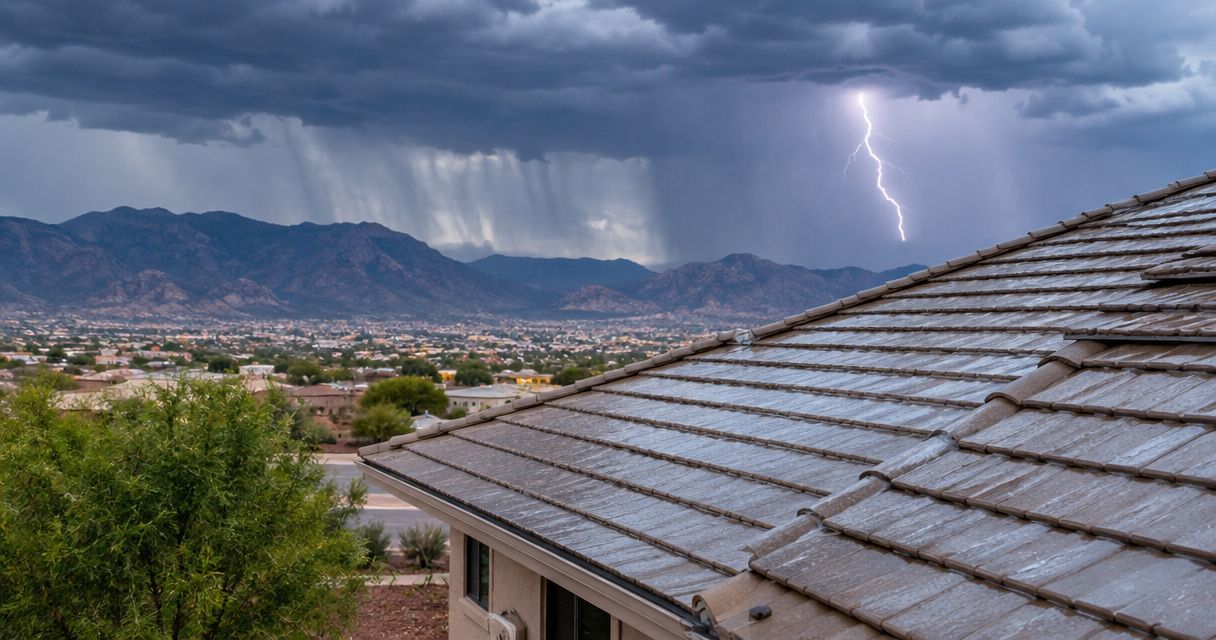
Monsoon rain tests the entire roof assembly, not just its visible surface. Water enters through failed flashing, damaged seams, penetrations, and drainage problems; changing the material without correcting those details leaves the underlying problem in place.
For your 2026 roofing decision, separate three questions: Is the roof slope suitable for the material? Can water leave the roof without obstruction? Is the existing assembly sound enough to repair rather than replace?
Choose the roof system that fits the building, then require an installation scope that explains how it sheds water. A material name alone is not a storm-readiness plan.
What makes the best roof for El Paso monsoon season?
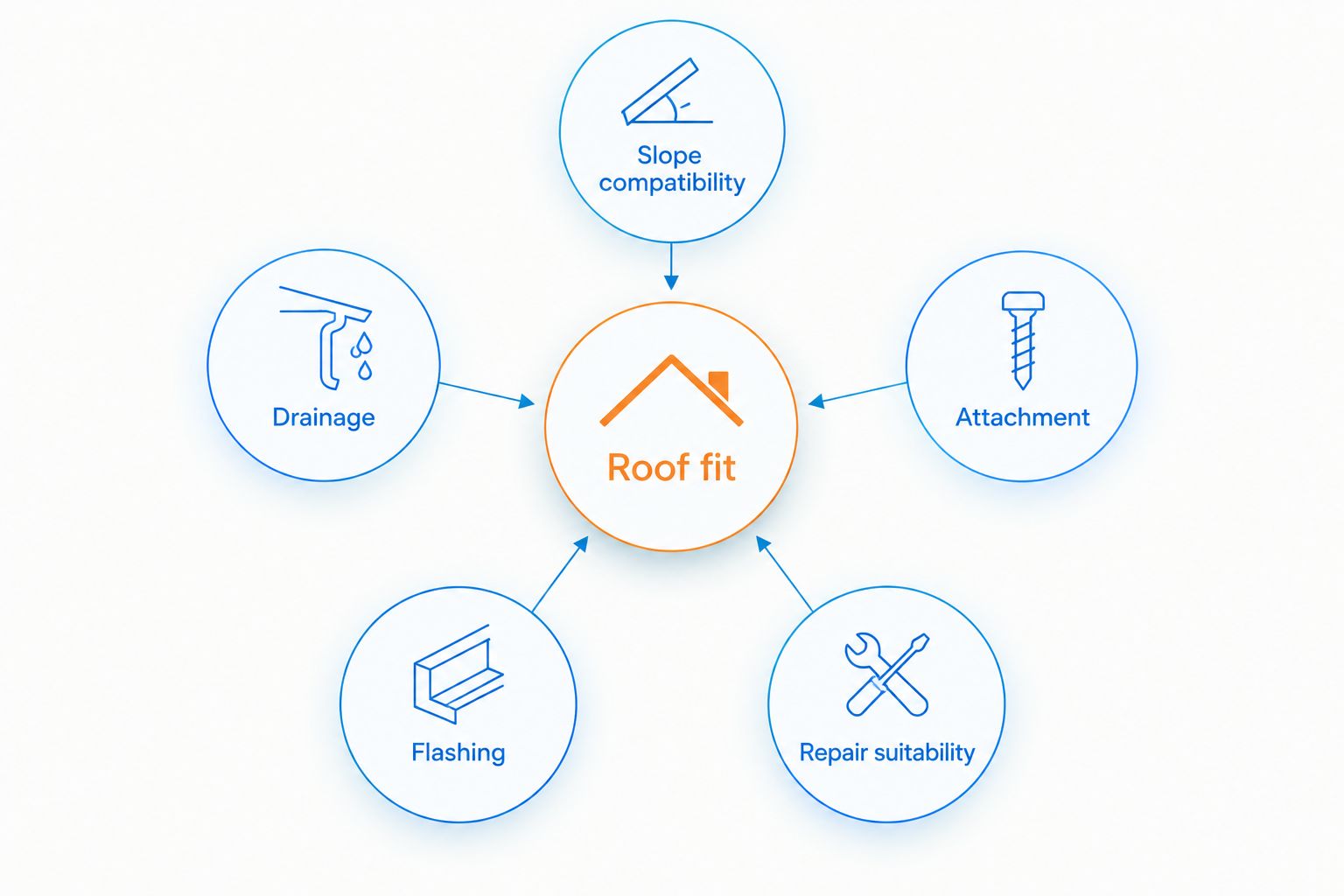
Use these criteria before comparing roofing materials:
- Slope compatibility: The covering must suit the measured roof pitch. Asphalt shingles, metal panels, and membranes have different installation requirements.
- Drainage: Gutters, scuppers, drains, and discharge routes must move water away without creating backups.
- Attachment: Fasteners, clips, decking, and perimeter details must meet the assembly's applicable wind requirements.
- Flashing: Valleys, roof edges, walls, skylights, and pipe penetrations need compatible, correctly installed transitions.
- Repair suitability: Coatings and localized repairs require a sound substrate; replacement addresses assemblies that cannot support restoration.
These criteria define roof fit. For a 2026 proposal, ask the contractor to explain each one in writing rather than substituting a general statement about weather resistance.
Roof types at a glance
The ranking below assigns each option a different job. It is not a claim that one material belongs on every El Paso building.
| Rank and roof type | Best for | Standout feature | Key limitation |
|---|---|---|---|
| 1. Standing seam metal | Suitable sloped roofs with concealed-fastener construction | Raised seams and concealed attachment in typical systems | Requires system-specific slope, flashing, and attachment details |
| 2. TPO | Low-slope residential or commercial roofs | Heat-welded membrane seams | Drainage and seam workmanship remain essential |
| 3. Asphalt shingles | Conventional pitched homes needing sectional repair options | Individual shingles can be replaced | Unsuitable below the permitted minimum slope |
| 4. R-Panel | Suitable sloped roofs using exposed-fastener metal panels | Overlapping profiled panels | Exposed screws and sealing washers need inspection |
| 5. Silicone and acrylic coatings | Restoring an eligible existing roof | Continuous protective coating over a prepared substrate | Cannot correct structural damage or inadequate drainage |
1. Standing seam metal: best for concealed-fastener sloped roofs
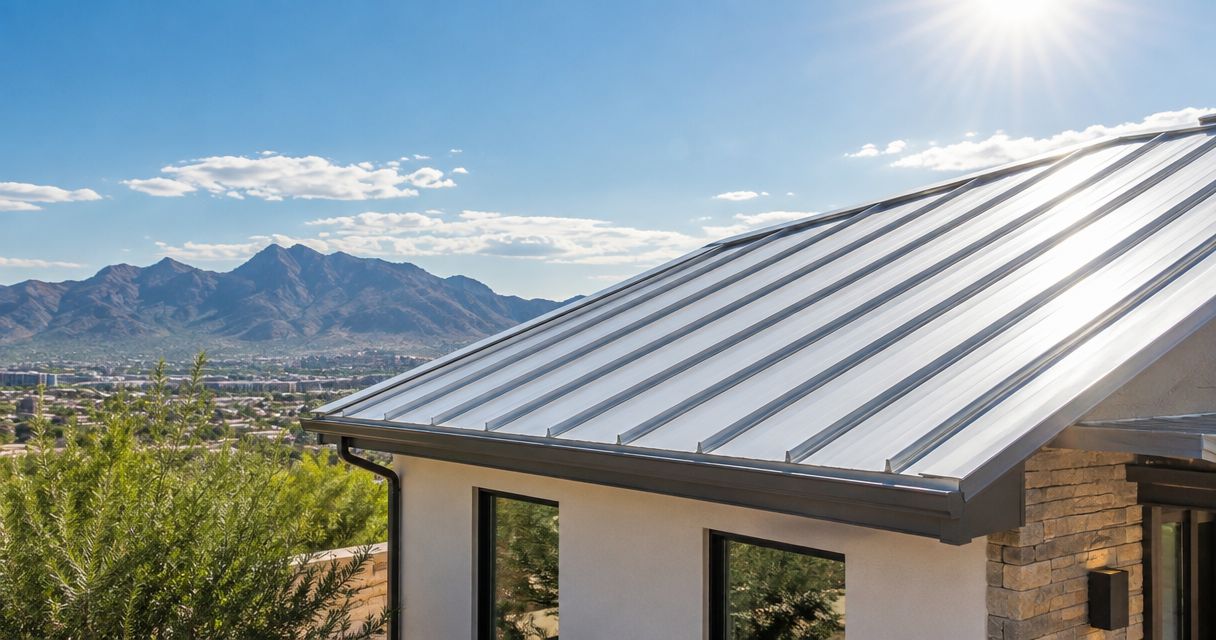
Standing seam roofing uses metal panels joined at raised seams. Typical concealed-fastener systems keep attachment points beneath the panels, rather than placing exposed screws across the main roof surface.
Standing seam metal is the default recommendation for a suitable sloped roof in this guide. Its advantage is the concealed-attachment layout, not an assumption that metal eliminates leaks. Panel profiles, seam construction, underlayment, and transitions still determine whether the assembly fits your building.
Standing seam metal pros:
- Concealed attachment reduces exposed fastener penetrations across the field of the roof.
- Raised seams place panel joints above the surrounding panel surface.
- Properly designed clips accommodate panel movement as temperatures change.
- System-specific flashing can connect panels to walls, valleys, and penetrations.
Standing seam metal cons:
- Minimum slope varies by panel profile and seam system.
- Installation requires attention to thermal movement and fastening details.
- A panel repair involves different work than replacing individual shingles.
Before accepting a 2026 standing seam proposal, ask for the exact panel system and its installation requirements. Do not accept a generic metal-roof specification that leaves the seam type or attachment method undefined.
Best for: Property owners replacing a suitable sloped roof who want concealed-fastener metal construction.
Verdict: Buy when the roof pitch, panel system, and installation scope match.
2. TPO: best for low-slope roofs needing a membrane system
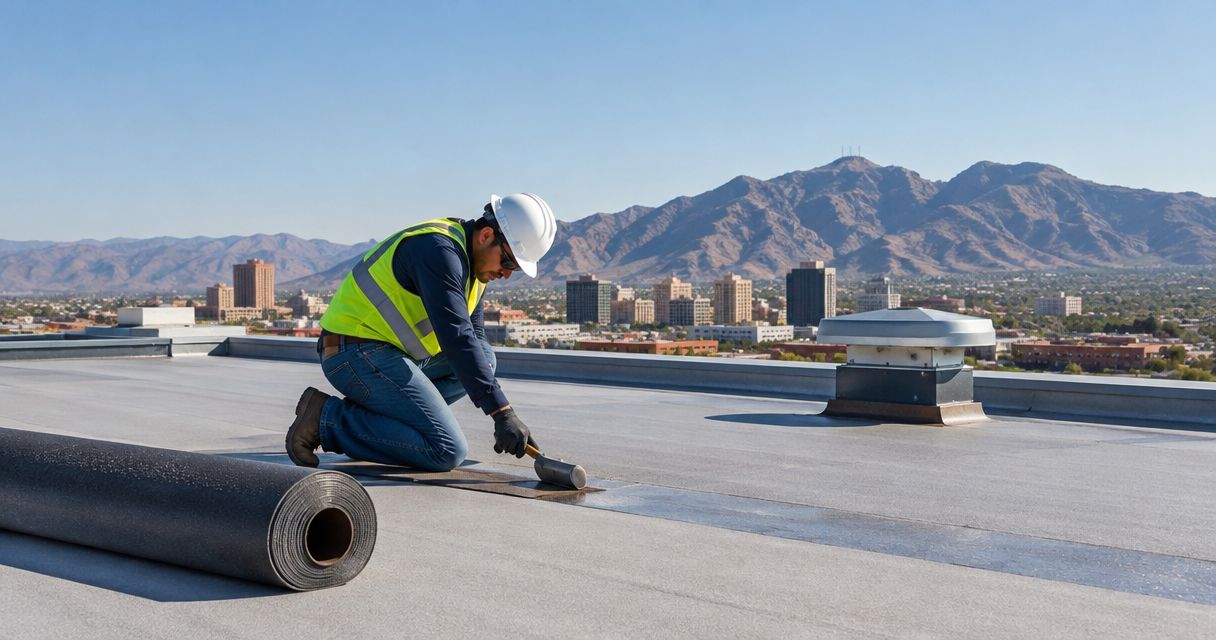
TPO is a single-ply roofing membrane with heat-welded seams. It serves a different purpose from shingles or sloped metal panels: forming a continuous weatherproof covering across a low-slope roof.
The membrane must connect correctly to drains, parapet walls, edges, and penetrations. Water reaching a drain is the goal; a membrane label does not solve an obstructed drain or an incorrectly shaped roof surface.
TPO pros:
- Heat-welded seams join adjoining membrane sheets.
- Membrane accessories address penetrations and roof-edge transitions.
- Attachment options allow the assembly to be specified for the building.
- Suitable membrane systems serve both residential and commercial low-slope roofs.
TPO cons:
- Poor welds and improperly detailed penetrations create leak paths.
- Foot traffic and sharp objects can damage the membrane.
- Replacement does not automatically correct wet insulation or deficient drainage.
For a 2026 TPO replacement, require the proposal to address the existing insulation, deck condition, attachment method, and drain connections. If water collects because the roof lacks adequate slope, ask whether the scope includes a drainage correction such as tapered insulation.
Best for: Low-slope property owners needing a membrane replacement rather than a cosmetic surface treatment.
Verdict: Buy when the assembly includes sound substrate preparation and a documented drainage plan.
3. Asphalt shingles: best for conventional pitched homes
Asphalt shingles form an overlapping roof covering on compatible pitched roofs. Individual damaged shingles can be replaced, but that repairability does not make shingles suitable for flat or inadequately sloped roofs.
The International Residential Code specifies a minimum asphalt-shingle slope of 2 inches of rise per 12 inches of horizontal run, commonly written as 2:12. It also requires special underlayment treatment between that minimum and 4 inches of rise per 12 inches of run; confirm the applicable local requirements and manufacturer instructions before selecting the assembly.
Asphalt shingle pros:
- Individual damaged shingles permit sectional repairs.
- Overlapping courses shed water on suitable roof slopes.
- Manufacturer instructions define fastening and underlayment requirements.
- Shingle systems fit conventional pitched residential roof layouts.
Asphalt shingle cons:
- Shingles are not an appropriate covering below their permitted minimum slope.
- Missing, lifted, or damaged shingles expose the assembly to water entry.
- Failed flashing remains a leak source even when the shingles look intact.
Do not treat a fresh shingle layer as proof that the entire roof has been renewed. Your replacement scope should address decking condition, underlayment, valleys, roof-to-wall transitions, and penetrations—not only the visible shingles.
Best for: Homeowners with compatible pitched roofs who prioritize conventional shingle construction and sectional repair options.
Verdict: Buy for a suitable pitched home; Skip for a roof below the permitted slope.
4. R-Panel: best for sloped exposed-fastener metal roofs
R-Panel roofing uses profiled metal panels with overlapping joints. Typical roof installations use exposed fasteners with sealing washers, making screw locations part of the weatherproofing and maintenance plan.
R-Panel and standing seam are not interchangeable specifications. They use different attachment details, and the selected panel manufacturer's instructions determine suitable slope, lap treatment, and fastening.
R-Panel pros:
- Profiled panels cover suitable sloped roof surfaces.
- Panel joints and fasteners are accessible for inspection.
- Defined fastening patterns provide an installation specification to check.
R-Panel cons:
- Exposed fasteners and sealing washers require inspection for deterioration or loosening.
- Incorrect screw placement or overtightening compromises seals.
- Panel laps require the correct treatment for the specified roof system.
In your 2026 proposal, ask for the panel designation, minimum slope, fastener specification, and lap-sealing requirements. The phrase metal roofing is too broad to establish what will actually be installed.
Best for: Property owners selecting an exposed-fastener panel assembly for a compatible sloped building and accepting its maintenance requirements.
Verdict: Buy when the specified assembly fits the roof; Skip if you expect concealed-fastener construction.
5. Silicone and acrylic coatings: best for eligible roof restoration
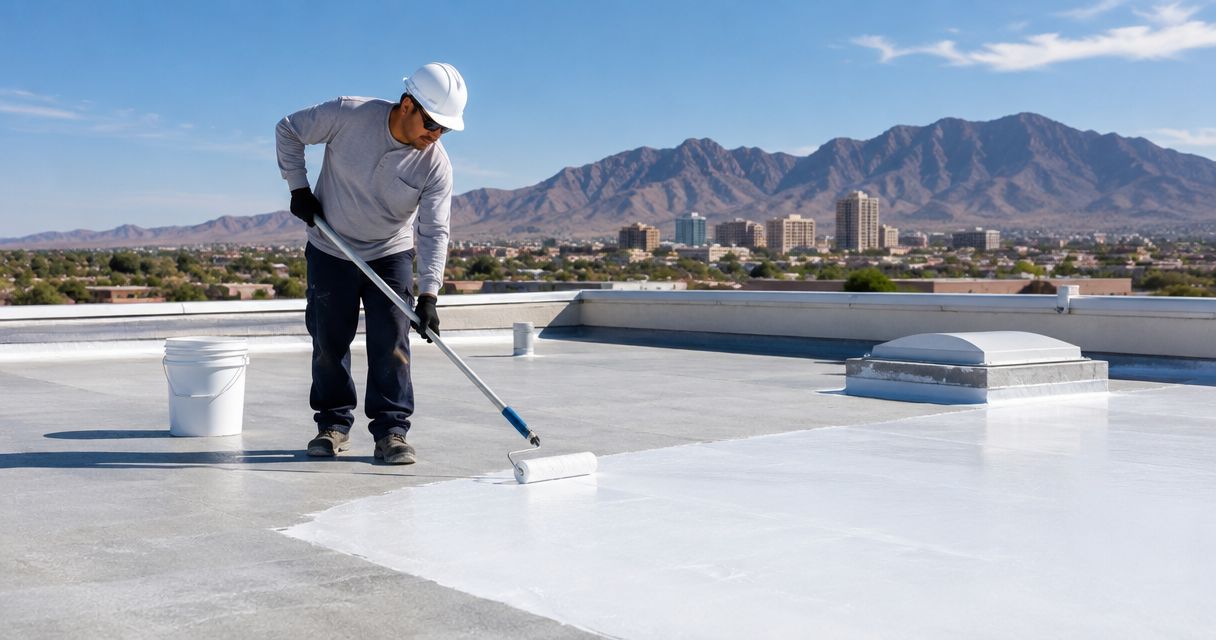
Silicone and acrylic coatings are restoration options, not substitutes for a structurally sound roof. A coating system requires a compatible surface, preparation, repairs, and application according to its manufacturer's instructions.
Choose coatings only after the existing roof qualifies for restoration. Active leaks, wet insulation, damaged decking, loose materials, and deficient drainage need evaluation before a coating specification makes sense.
Roof coating pros:
- Eligible existing roofs can be restored without treating every project as a full replacement.
- Prepared surfaces receive a continuous protective coating.
- System specifications identify preparation, reinforcement, and application requirements.
Roof coating cons:
- Coatings do not replace damaged structural decking or wet insulation.
- Surface contamination and poor preparation undermine adhesion.
- Silicone and acrylic products have different requirements; they are not interchangeable.
Ask whether the proposed coating accepts the existing roof material and its drainage conditions. If water remains on the roof, require the contractor to check the specific product's suitability rather than assuming all coatings tolerate ponding.
Best for: Owners of sound existing roofs that meet the selected restoration system's requirements.
Verdict: Hold until inspection confirms restoration eligibility; Skip when underlying damage requires replacement.
How the roof types are ranked
This ranking follows slope compatibility, drainage, attachment, flashing, and repair suitability. Standing seam leads the sloped-roof recommendation because typical systems conceal attachment points; TPO takes the low-slope slot because it is a membrane system designed for that roof category.
Asphalt shingles and R-Panel serve distinct pitched-roof preferences. Coatings rank separately because restoring an existing roof is a different decision from installing a replacement covering.
The ranking does not compare contractor workmanship or certify a particular assembly's wind performance. Ask for the exact system documentation and a building-specific scope before choosing.
Which roof type should you choose?
Choose standing seam for a suitable sloped roof, TPO for a low-slope replacement, and coatings only for an eligible restoration. Start with the roof geometry and condition—not a material preference.
For single-ply membrane roofing, the International Building Code specifies a minimum design slope of one-quarter inch per foot for drainage. That model-code requirement is a useful design reference, not confirmation of the rules adopted for your particular property.
Sunnyboy Roofing is a licensed and insured roofing contractor for El Paso residential and commercial owners choosing roof installation, repair, replacement, or coatings. Ask for a proposal that names the system, identifies substrate repairs, and explains drainage and flashing work.
Compare your roof options
Discuss roof slope, existing condition, drainage, and the right installation or restoration scope.
FAQ
What's the best roof type for monsoon season in El Paso?
Standing seam metal is this guide's default recommendation for a suitable sloped roof, while TPO is the recommendation for a low-slope replacement. Roof pitch, drainage, attachment, and flashing determine the final choice.
Is standing seam better than R-Panel for monsoon rain?
Standing seam is the preferred option here when you want concealed-fastener construction. Typical R-Panel installations use exposed fasteners and sealing washers that require inspection; both systems need correct slope and flashing.
Can asphalt shingles go on a flat roof?
No. The International Residential Code specifies a minimum asphalt-shingle slope of 2 inches of rise per 12 inches of horizontal run, with additional underlayment requirements at lower permitted slopes.
Is TPO a good choice for an El Paso commercial roof?
TPO is a suitable option for a compatible low-slope commercial roof. The proposal must address membrane attachment, welded seams, penetrations, substrate condition, and drainage.
Will a silicone coating fix every roof leak?
No. A silicone coating requires a compatible, prepared roof and does not replace damaged decking, wet insulation, or drainage correction. Identify the leak source before specifying restoration.
Should I repair or replace my roof before monsoon season?
Repair a localized defect when the surrounding assembly remains sound; replace components that cannot support a durable repair. An inspection should distinguish failed flashing or isolated damage from broader deterioration.
What should a 2026 roofing proposal include?
A 2026 roofing proposal should identify the roof system, substrate work, attachment, flashing, drainage details, and installation requirements. Sunnyboy Roofing offers installation, repairs, replacements, and coatings for El Paso residential and commercial properties.
One last thing
A stain inside your building does not necessarily sit directly below the roof defect. Water can travel along the assembly before becoming visible, so coating or patching only the area above the stain misses the actual entry point.
Ask for the leak source and repair detail to be identified before approving the work. That requirement matters whether you select standing seam, TPO, shingles, R-Panel, or a coating.